
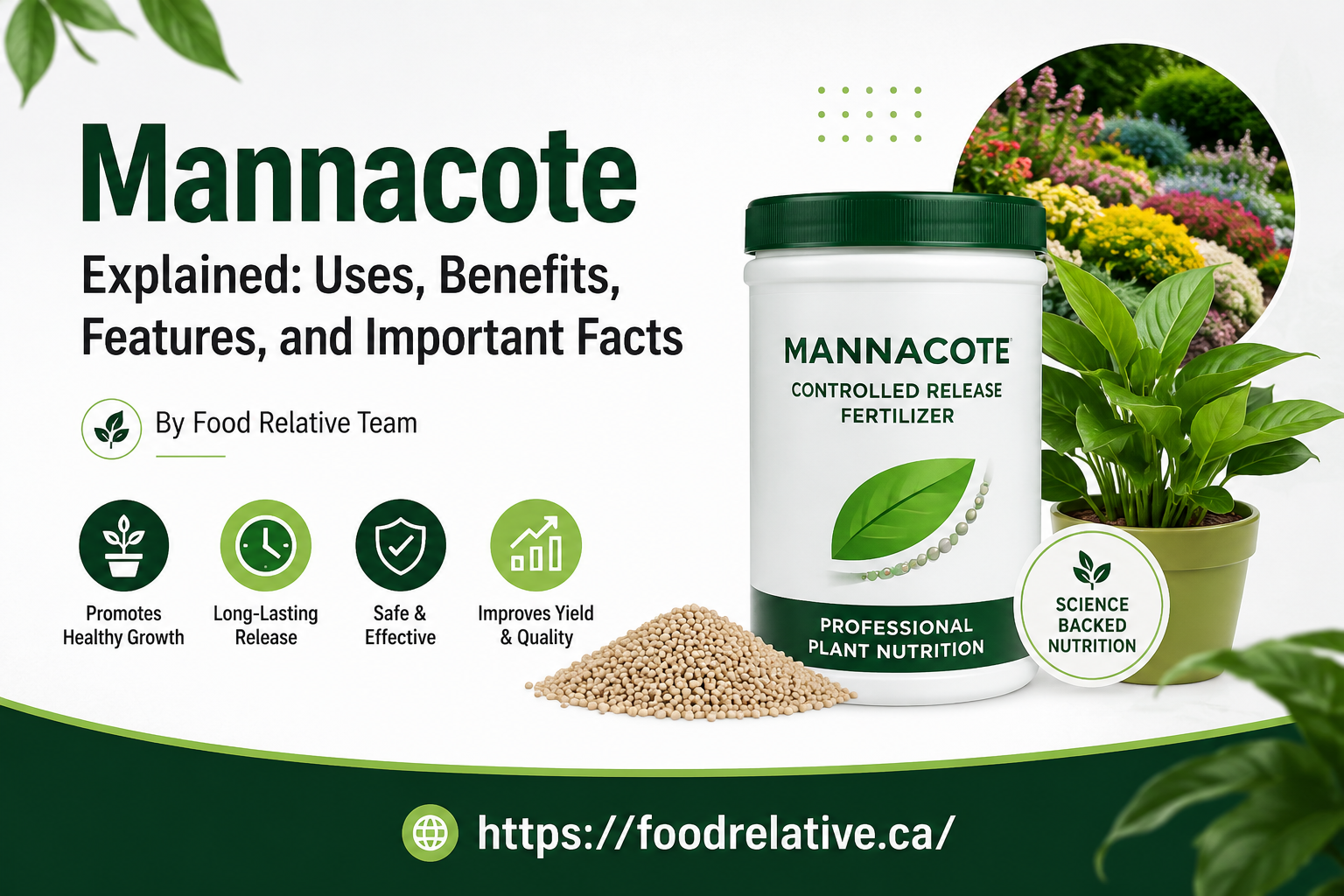
Mannacote is a versatile term that appears in both culinary and agricultural contexts, making it an interesting topic to explore. In this article, we will explain what Mannacote means, its origin, and how it is used in different fields. You will also learn about its pasta version, differences from similar dishes, and step-by-step preparation ideas. Additionally, we will cover its role in agriculture, benefits, applications, sustainability, and common myths.
What Is Mannacote?
Mannacote is a term that may not be familiar to everyone, but it carries a wealth of meaning across different contexts. Whether you’re a food enthusiast or someone interested in agricultural innovations, this intriguing word encompasses both culinary delights and groundbreaking advancements. From the mouthwatering world of pasta dishes to the realm of sustainable farming practices, Mannacote has something for everyone.
In this blog post, we’ll dive into what Mannacote truly means. You’ll discover its origins and how it’s used in cooking as well as its significance in agriculture and industry. Get ready to explore the delightful layers that make up this unique concept!
What Does Mannacote Mean?
Mannacote is a term that often confuses many. At its core, it typically refers to a type of pasta dish originating from Italy. This delightful culinary creation features tubular pasta filled with various savory ingredients.
However, the word has another meaning in different contexts. In agriculture and gardening, Mannacote can refer to controlled-release fertilizers known for their unique coating properties. These coated products gradually release nutrients into the soil over time, promoting healthier plant growth.
The origins of the name might stem from similar-sounding Italian dishes or agricultural terminology. Regardless of context, Mannacote embodies versatility—whether gracing dinner tables or nurturing plants in gardens across the globe.
Origin and Background Information on Mannacote
Mannacote has a fascinating origin that intertwines culinary tradition with agricultural innovation. This term, primarily associated with pasta dishes, reflects an evolution of Italian cuisine. As recipes traveled across borders, the name morphed into various forms, including its well-known cousin manicotti.
On another front, Mannacote also refers to a specialized coating used in agriculture. Originating from the need for more effective fertilizers and coatings, this product showcases technological advancements aimed at enhancing plant growth and soil health.
The dual identity of Mannacote highlights how language adapts over time while also serving distinct purposes in different industries. Each variation adds depth to our understanding of food and farming practices around the world. Whether on your dinner plate or in fields, Mannacote embodies a rich tapestry of history and innovation that continues to evolve today.
Mannacote as a Pasta Dish
Mannacote, often mistaken for its similar-sounding cousins, is a delightful pasta dish that brings comfort and flavor to the table. This Italian-inspired creation features tubular pasta filled with rich ingredients like ricotta cheese, spinach, or ground meats.
What sets mannacote apart is its unique shape. The wide tubes are perfect for holding hearty sauces and stuffing, making every bite a burst of flavors.
Traditionally baked in marinara sauce and topped with melted cheese, mannacote can be customized endlessly. You might find variations stuffed with mushrooms or seasoned vegetables for those seeking lighter options.
The texture combines perfectly with various sauces—be it creamy Alfredo or zesty pesto—allowing creativity in the kitchen. For many families, mannacote becomes a cherished recipe passed down through generations, each adding their twist to this classic favorite.
Mannacote vs Manicotti vs Cannelloni
Mannacote, manicotti, and cannelloni often confuse pasta lovers. While they share similarities, each has distinct characteristics.
Mannacote refers to a specific type of stuffed pasta that is typically larger and thicker than its cousins. It’s perfect for hearty fillings like ricotta cheese or meat.
Manicotti comes from Italian cuisine as well but features ridges on its exterior. This design allows sauces to cling better, enhancing the flavor experience in every bite.
Cannelloni is another variant with a smooth surface. It’s usually rolled around delicious fillings before being baked in sauce—ideal for those who prefer a softer texture.
All three dishes are versatile, offering endless possibilities for sauces and toppings. Their unique shapes lend themselves beautifully to different cooking methods and presentation styles.
How to Make Mannacote
To make mannacote, start by gathering your ingredients: fresh pasta sheets, ricotta cheese, mozzarella cheese, grated parmesan, egg, and your choice of marinara sauce.
Begin by preheating your oven to 375°F (190°C). In a mixing bowl, combine the ricotta with an egg and half of the mozzarella. Season generously with salt and pepper for flavor.
Lay out a pasta sheet on a clean surface. Spoon some of the cheese mixture onto one end and roll it tightly into a cylinder shape. Place each rolled piece seam-side down in a baking dish.
Pour marinara sauce over the top of the rolls and sprinkle remaining mozzarella along with parmesan for that gooey finish. Cover the dish with foil to retain moisture during baking.
Bake for about 25 minutes before removing the foil. Continue baking until bubbly and golden brown on top—then serve warm! Enjoy this delicious twist on traditional pasta dishes.
Best Variations and Nutritional Value of Mannacote
Mannacote can be enjoyed in various delightful ways. From traditional ricotta-filled versions to modern takes with spinach and feta, the options are endless. Each variation offers a unique flavor profile, catering to different palates.
In terms of nutritional value, Mannacote is often made with fresh ingredients that boost its health benefits. When stuffed generously with vegetables and lean proteins, it becomes a well-rounded meal high in vitamins and minerals.
Whole grain pasta varieties add fiber content, making each bite more satisfying while promoting digestive health. Pairing Mannacote with homemade sauces or toppings like marinara enhances the dish without excessive calories.
For those seeking lower-carb alternatives, zucchini noodles or gluten-free pastas work wonderfully too. These adaptations keep the essence of Mannacote alive while accommodating various dietary needs.
Mannacote in Industry and Agriculture
Mannacote is gaining traction in the agricultural sector as a versatile coating and fertilizer solution. It serves to enhance nutrient release, providing plants with essential elements over an extended period.
This slow-release technology minimizes nutrient leaching, ensuring that crops absorb the necessary compounds when they need them most. Farmers appreciate Mannacote for its efficiency in improving soil health while reducing waste.
In industrial applications, Mannacote acts as a protective layer, safeguarding products from environmental factors. This dual functionality makes it appealing across various sectors.
By combining performance with sustainability, Mannacote meets the growing demand for eco-friendly solutions in agriculture and industry alike. Its unique properties make it a valuable asset for modern farming practices focused on optimizing yield without compromising environmental integrity.
The Science Behind Mannacote and Its Unique Properties
Mannacote stands out for its innovative formulation that combines controlled-release technology with nutrient delivery. This unique approach allows it to gradually release essential nutrients over an extended period.
The science lies in the polymer coating that encapsulates fertilizer granules. This coating regulates moisture levels and minimizes nutrient loss through leaching, ensuring plants receive a steady supply of nutrition when they need it.
Additionally, Mannacote’s composition can enhance soil health by promoting beneficial microbial activity. Its slow-release mechanism not only supports plant growth but also reduces the risk of over-fertilization, making it eco-friendly.
Research has shown that this method leads to improved crop yields compared to traditional fertilizers. With specific blends tailored for different crops, Mannacote adapts well to various agricultural needs while maintaining efficiency and sustainability.
Read More Articles!
Babeltee: Uses, Benefits, Features, and Key Facts
Crocolini: Definition, Benefits, Features, and Real Insights
What Is Calamariere? Meaning, Origin, and Full Explanation
Key Benefits, Applications, and Everyday Uses of Mannacote
Mannacote offers a range of benefits that make it an appealing choice for both gardening enthusiasts and agricultural professionals. Its slow-release properties ensure that nutrients are available over time, reducing the need for frequent applications. This efficiency saves time and effort in managing crops or gardens.
In everyday use, Mannacote is ideal for home gardeners looking to enhance plant growth without constant monitoring. It can be mixed into potting soil or used as a top dressing, promoting healthy development across various plants.
Agriculturally, Mannacote supports sustainable farming practices. Its unique formulation minimizes nutrient leaching, which is crucial for preserving water quality in nearby ecosystems.
Its versatility extends beyond traditional uses; Mannacote can also be integrated into landscaping projects to foster lush greenery in public spaces and residential areas alike. The ease of application sets it apart from conventional fertilizers while maximizing results.
Mannacote vs Traditional Fertilizers and Other Alternatives
Mannacote offers a distinct advantage over traditional fertilizers. Its slow-release formula ensures nutrients are available to plants over an extended period, reducing the risk of nutrient leaching and wastage.
Unlike conventional fertilizers that may lead to rapid growth but also nutrient burn, Mannacote provides a balanced supply. This promotes healthier plant development and reduces stress on the roots.
Another alternative is organic compost. While beneficial for enriching soil health, it lacks the concentrated nutrients Mannacote delivers efficiently.
Moreover, synthetic options often require frequent application due to their quick depletion. With Mannacote’s innovative coating technology, fewer applications are necessary.
Farmers transitioning from standard fertilizers appreciate this efficiency. It not only saves time but also cuts down overall costs in maintaining crops effectively without compromising quality or yield.
Environmental Sustainability, Market Trends, and the Future of Mannacote
Mannacote is increasingly recognized for its role in promoting environmental sustainability, especially as more consumers seek eco-friendly options. Its slow-release properties significantly reduce the risk of nutrient runoff, which can harm local water systems.
Market trends indicate a growing demand for sustainable agricultural practices. Farmers are looking for alternatives to traditional fertilizers that align with their green initiatives. Mannacote fits this niche perfectly.
As technology advances, innovations surrounding Mannacote are emerging. Enhanced formulations and application methods could improve efficacy while minimizing environmental impact.
The future looks bright for Mannacote as awareness around climate change grows. With regulatory bodies pushing stricter guidelines on chemical use in agriculture, products like Mannacote will become essential tools for conscientious farming.
In a world focused on sustainability, the adoption of such innovative solutions may reshape agricultural landscapes and contribute positively to global efforts against environmental degradation.
Common Myths, Possible Side Effects, and Important Precautions
Mannacote often attracts misconceptions. One common myth is that it’s only suitable for commercial use. In reality, both hobby gardeners and farmers can benefit from its unique properties.
Another misconception revolves around safety. Some believe that all fertilizers come with harmful side effects. Mannacote is designed to be a safer alternative, but like any product, improper use can lead to issues.
Users should always follow application guidelines to avoid overexposure in soil or plants. Excessive amounts can affect nutrient balance and harm the ecosystem.
It’s also vital to consider potential allergic reactions in sensitive individuals when handling any fertilizer, including Mannacote. Wearing gloves during application minimizes contact risk.
Ensure proper storage away from moisture and direct sunlight to maintain effectiveness. By taking these precautions seriously, you maximize benefits while minimizing risks associated with its use.
Where to Buy Mannacote and What to Look For
Finding Mannacote isn’t difficult, but knowing where to buy it is key. You can start your search at local garden centers or specialty stores that focus on gardening supplies. Online retailers also offer a wide range of options.
When shopping for Mannacote, check the product label carefully. Look for detailed information about its ingredients and formulation. Quality matters, especially when it comes to fertilizers and coatings.
Don’t forget to consider the packaging size based on your needs. Smaller bags are great for home gardeners, while larger quantities might be suitable for commercial use.
Reviews play an important role too. Take time to read what other users have experienced with specific brands of Mannacote before making a purchase decision.
Price comparison can help you find the best deal without compromising quality or effectiveness in your gardening endeavors.
Conclusion: Is Mannacote Worth the Hype?
Mannacote has emerged as a fascinating topic across various fields—from culinary delights to agricultural advancements. Its unique versatility makes it a subject worth exploring further. Whether you’re enticed by the delicious pasta dish or intrigued by its applications in coating and fertilizer, Mannacote offers something for everyone.
In cooking, its creamy texture and delightful flavor can elevate meals, while in agriculture, its slow-release properties provide an innovative solution for sustainable farming practices. As awareness grows about environmental sustainability, products like Mannacote are gaining traction.
The key benefits include improved nutrient delivery and reduced environmental impact when compared to traditional fertilizers. However, as with any product, understanding potential side effects is crucial before incorporating it into your routine.
For those looking to purchase Mannacote—whether it’s for culinary use or agricultural purposes—it’s essential to research options carefully. Quality matters when selecting the right product that meets your needs.
So, is Mannacote really worth the hype? Given its diverse applications and advantages in both kitchens and fields alike, many believe it truly deserves recognition as a standout choice in today’s market landscape.
FAQS About Mannacote
What does manicotti mean?
The word “manicotti” comes from the Italian language. It means “little sleeves” because the pasta tubes look like small sleeves. Manicotti is a popular baked pasta dish filled with cheese, meat, or vegetables and covered with sauce. Many people enjoy it because it is soft, creamy, and full of flavor.
What is manigott?
Manigott is a slang or informal way some Italian-American families say “manicotti.” It is not a different food. The word became popular through family traditions and regional accents in the United States. Even though the spelling sounds different, manigott and manicotti usually mean the same pasta dish.
What is manicotti filling made of?
Manicotti filling is usually made with creamy cheeses like ricotta, mozzarella, and Parmesan. Some recipes also include eggs, spinach, herbs, or ground meat. The filling is placed inside large pasta tubes before baking them with tomato sauce and melted cheese on top.
What is manicotti in English?
In English, manicotti refers to a type of stuffed pasta dish. The pasta looks like large tubes that are filled with cheese, meat, or vegetables. After filling the pasta, it is baked with sauce and cheese. The English meaning comes from the Italian idea of “little sleeves.”
What is cannelloni vs manicotti?
Cannelloni and manicotti are very similar because both are tube-shaped pasta dishes filled with different ingredients. The main difference is that cannelloni is usually made with smooth pasta sheets rolled into tubes, while manicotti often uses ready-made pasta shells with ridges. Both dishes are baked with sauce and cheese.
What country is manicotti from?
Manicotti comes from Italy. It is part of traditional Italian cuisine and became very popular in Italian-American cooking over time. Today, people in many countries enjoy manicotti because it is comforting, filling, and easy to customize with different fillings and sauces.